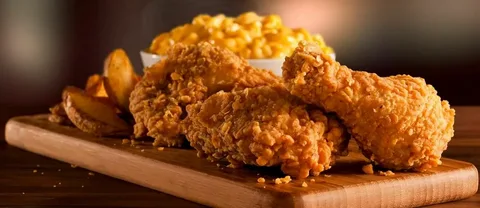
Perfectly crispy fried chicken isn’t just a product of chance—it’s the result of precise techniques, the right ingredients, and a bit of culinary science. The golden, crunchy crust that gives way to juicy, flavorful meat underneath is what makes fried chicken so universally loved. But what’s the secret behind that perfect crispiness? It starts with preparation and ends with perfect frying technique, all while maintaining the balance between texture, flavor, and moisture.
First, the foundation of great fried chicken lies in the marination. A good marinade penetrates the meat, making it juicy and flavorful. Buttermilk is often used as it not only adds tangy flavor but also contains enzymes and acids that tenderize the meat. Some chefs add spices like garlic powder, paprika, cayenne, salt, and pepper to the buttermilk for a deeper flavor profile. Marinating the chicken for several hours or overnight is ideal for the best results.
Once the marination is complete, coating and dredging come next. This is a critical step in achieving that signature crispy crust. A mixture of all-purpose flour combined with cornstarch is often used for dredging, as cornstarch adds an extra crunch. Seasonings are added directly into the flour mixture to ensure every bite is flavorful. For added texture, some chefs double dredge the chicken—first dipping it in the flour mixture, then back into buttermilk, and again in the flour. This layering helps create a thick, craggy crust that crisps beautifully when fried.
Oil temperature is another make-or-break element. Too hot, and the exterior burns before the inside cooks; too cool, and the chicken becomes greasy and soggy. The sweet spot for frying chicken is around 325°F to 350°F (160°C to 175°C). Maintaining this consistent temperature ensures the chicken cooks evenly and develops a golden-brown, crispy crust. It’s also essential not to overcrowd the pan, as that can drop the oil’s temperature and lead to uneven cooking.
Equally important is resting the chicken after dredging and before frying. Allowing the coated chicken to sit on a wire rack for 15–20 minutes gives the flour mixture time to adhere properly, preventing it from falling off during frying and helping to lock in that satisfying crunch.
Lastly, after frying, placing the chicken on a wire rack instead of paper towels keeps it crispy by allowing excess oil to drip off without steaming the crust. Some even suggest briefly placing the fried chicken in a warm oven (around 200°F or 93°C) if you’re frying in batches, to keep it warm and crunchy.
Conclusion:
The secret behind perfectly crispy fried chicken lies in mastering the small but crucial steps—marinating with care, coating with the right mixture, controlling oil temperature, and letting the chicken rest before and after frying. It’s a beautiful blend of science and soul food tradition. When done right, every bite delivers that irresistible crunch followed by juicy, flavorful meat, making it not just a meal but a culinary experience worth savoring.