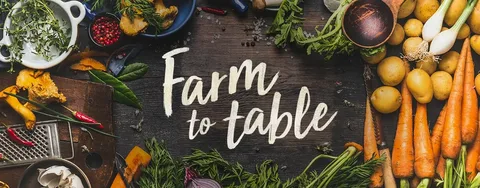
Traveling to a new country offers countless opportunities to learn, explore, and immerse oneself in a different culture. While visiting famous landmarks and museums is certainly rewarding, nothing connects a traveler more deeply to the heart of a place than its local food. Culinary experiences are more than just meals—they are cultural lessons served on a plate. Local food reflects the country’s traditions, history, climate, and the daily life of its people. Whether it’s street food from a bustling night market in Thailand or a homemade tagine in Morocco, eating local is an authentic way to understand the soul of a nation.
Local cuisine introduces travelers to the flavors and ingredients that define a country. Each dish carries a story shaped by generations of culinary heritage, agriculture, and environment. For example, the use of olive oil in Mediterranean countries like Greece and Italy isn’t just about flavor—it speaks to centuries of olive farming and a lifestyle rooted in the land. Similarly, Japanese sushi showcases the country’s reliance on the sea and its attention to detail, balance, and presentation. Tasting these foods in their country of origin allows travelers to appreciate their significance and uniqueness far more than eating them in a restaurant abroad.
Moreover, local food connects travelers to the people of the country. Dining in a small family-run eatery, buying fresh produce at a local market, or sharing a traditional meal with a local family creates a personal connection that no guidebook can offer. These experiences offer genuine hospitality and open the door to conversations, cultural exchange, and even friendships. In many cultures, food is an expression of love and community, and sharing it builds bridges across language and cultural barriers.
Eating local food also supports the local economy and promotes sustainable tourism. Choosing local eateries, farmers’ markets, and traditional food vendors over global chains ensures that your travel money stays within the community. It encourages the preservation of traditional cooking methods, local farming, and regional specialties that might otherwise disappear due to globalization. This kind of conscious travel not only enhances your trip but also helps protect and celebrate cultural diversity.
Lastly, local food brings spontaneity and surprise to travel. It challenges you to step outside your comfort zone and try new flavors, textures, and meals you may have never encountered before. That unexpected dish from a street vendor or the strange-but-delicious dessert at a village festival might just become your favorite memory of the trip.
Conclusion:
Local food is much more than nourishment; it is an immersive experience that reveals the true essence of a country. It connects you with its history, people, and traditions in the most delightful and human way. By tasting local cuisine, you are not just filling your stomach—you’re filling your heart and mind with stories, experiences, and flavors that you will carry forever. So, the next time you travel, skip the fast-food chains and go where the locals eat—you’ll find that food is the most delicious path to understanding a new culture.