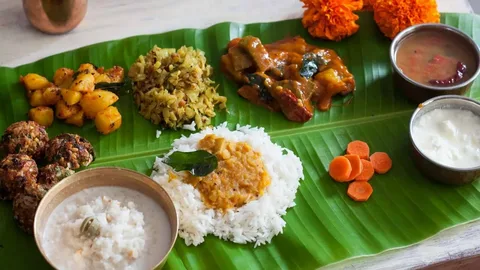
Food is an essential part of every culture, reflecting history, values, and health practices passed down through generations. Across the globe, traditional cuisines offer not only rich flavors but also numerous health benefits rooted in natural ingredients and balanced preparation methods. Many of these traditional dishes have stood the test of time due to their nutritional value, seasonal ingredients, and mindful cooking techniques. Exploring healthy traditional foods from different cultures reveals how deeply food is connected to both wellness and identity.
In the Mediterranean region, traditional diets are known for promoting heart health and longevity. The Mediterranean diet includes fresh vegetables, fruits, legumes, nuts, olive oil, whole grains, and moderate consumption of fish and dairy. Dishes like Greek salad with feta cheese, hummus from the Middle East, and Italian minestrone soup are not only flavorful but packed with vitamins, fiber, and healthy fats. Studies have shown that this diet reduces the risk of cardiovascular diseases, diabetes, and certain types of cancer.
In Asia, many traditional foods are based on principles of balance and healing. Japanese cuisine, for example, emphasizes seasonal foods, portion control, and visual presentation. Meals often include miso soup, steamed rice, pickled vegetables, and fish. The use of fermented foods like miso and natto supports gut health. Similarly, in Korea, kimchi—a fermented cabbage dish rich in probiotics—is a staple that supports digestion and immune health. In India, traditional Ayurvedic meals focus on balancing body energies through ingredients like turmeric, ginger, garlic, and lentils, which are known for their anti-inflammatory and antioxidant properties.
African traditional foods also offer high nutritional value through ingredients like millet, sorghum, yams, and leafy greens. In West Africa, dishes like Jollof rice and Egusi soup are prepared using local spices and vegetables, often with minimal oil. Ethiopian cuisine includes injera, a fermented teff flatbread, served with various lentil stews and sautéed greens—rich in iron, fiber, and essential amino acids.
Latin American cultures bring vibrant and healthy options to the table as well. Mexican cuisine traditionally features corn, beans, chili peppers, and avocados. Dishes such as pozole (a hearty soup) and tamales (corn dough wrapped in banana leaves or corn husks) are filling and balanced. In Peru, quinoa and amaranth are ancient grains packed with protein, while ceviche offers lean seafood marinated in citrus juice, which is refreshing and rich in nutrients.
These traditional dishes showcase how ancient food wisdom has contributed to modern ideas of healthy eating. Unlike many processed foods today, traditional meals focus on whole, fresh ingredients, slow cooking, and mindful consumption. They emphasize community and seasonal eating, leading to better digestion and overall wellness.
Conclusion:
Healthy traditional foods from different cultures reveal a deep understanding of natural nutrition, balance, and sustainability. By revisiting and respecting these food traditions, we can enrich our diets, protect our health, and maintain cultural heritage. Embracing these meals not only connects us to global cuisines but also encourages a healthier, more conscious way of eating in the modern world.