Traveling can be an exciting experience, whether it’s for work, adventure, or relaxation. However, staying healthy while constantly on the move poses a unique set of challenges—especially when it comes to food. Fast food, gas station snacks, and unpredictable restaurant options often become the go-to choices, but these can lead to fatigue, digestive issues, and even long-term health problems. That’s why effective meal planning is essential for travelers who want to stay energized, focused, and healthy on the road. With a bit of preparation and smart decision-making, it’s completely possible to maintain a balanced diet and enjoy your trip to the fullest.
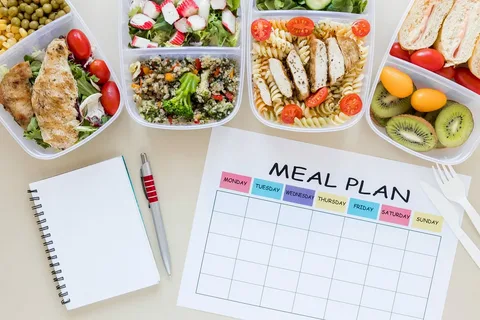
The first step in meal planning for travel is understanding your dietary needs. Everyone’s body is different, and factors like age, activity level, health conditions, and personal goals (such as weight management or muscle gain) should be considered. Once you know your nutritional goals, you can start planning accordingly. Packing nutritious, non-perishable snacks is a great way to avoid unhealthy temptations. Options like mixed nuts, protein bars, dried fruits, rice cakes, and whole grain crackers are portable and filling. For longer trips, investing in a small cooler can allow you to carry fresh items like boiled eggs, Greek yogurt, fresh fruits, and pre-made salads.
Before heading out, research the food options available at your destination. Look for grocery stores, local markets, and restaurants with healthy menus. This proactive approach helps avoid last-minute unhealthy choices and ensures you know where to get your meals. If your accommodation has a kitchen or even a small microwave, consider preparing some of your meals. Cooking simple dishes like grilled chicken, sautéed vegetables, or rice bowls can help you stick to your dietary needs and save money.
Hydration is another key aspect of staying healthy while traveling. Many people forget to drink enough water when they are on the go. Carry a reusable water bottle and set reminders if needed. Avoid sugary drinks and limit alcohol and caffeine, which can dehydrate the body and disrupt sleep patterns—especially during flights or long drives.
Eating out is inevitable during most travels, but even restaurant meals can be healthy with a few mindful choices. Opt for grilled instead of fried foods, ask for dressings or sauces on the side, and choose steamed vegetables or side salads over fries. Portion control is also important; consider sharing meals or saving leftovers for later.
Lastly, don’t skip meals. Skipping breakfast or lunch may seem convenient when you’re in a rush, but it often leads to overeating later in the day or making poor food choices. Try to stick to a regular eating schedule and listen to your body’s hunger cues.
Conclusion:
Healthy eating while traveling doesn’t have to be complicated or boring. With thoughtful meal planning, a few nutritious snacks, and some smart restaurant decisions, travelers can maintain energy, focus, and overall wellness throughout their journey. Whether you’re exploring new cities, attending business meetings, or hiking in nature, good food choices will support a healthier and more enjoyable travel experience.